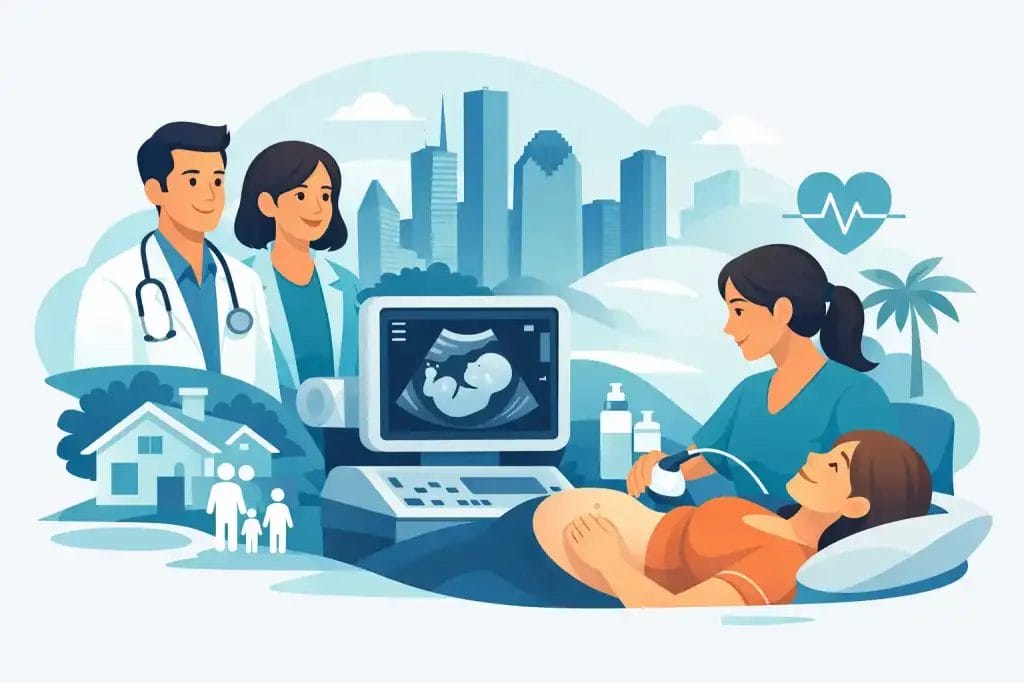
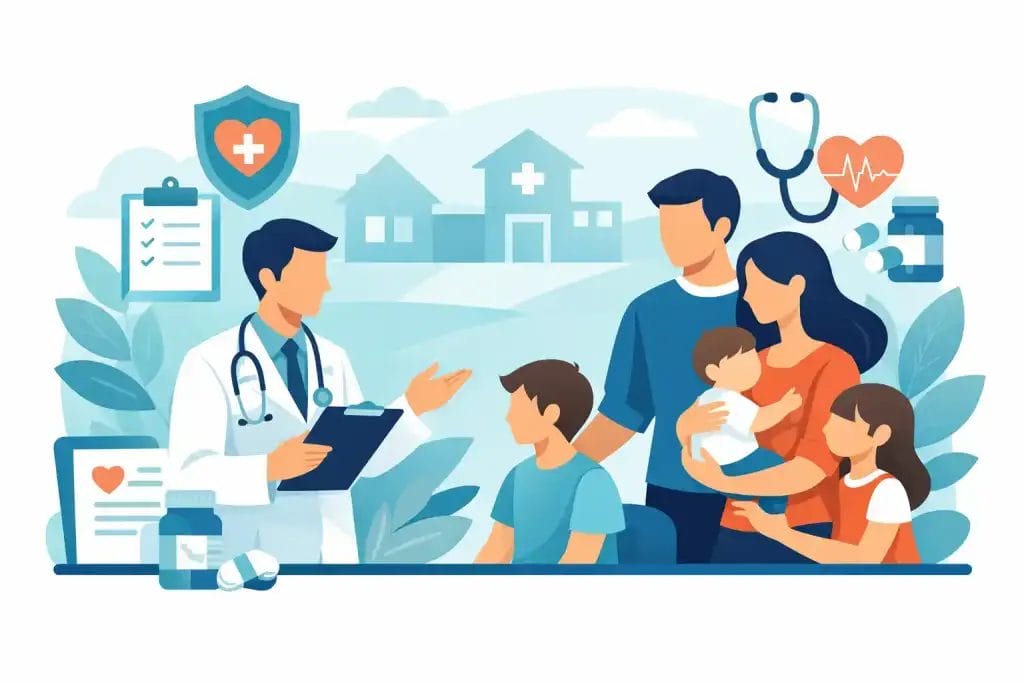
You wake up with a cough that will not go away, your child needs a school physical, your blood pressure has been running high, and you still have questions about stress, sleep, or weight gain. Most people do not need a different clinic for each of those concerns. They need one trusted place to start. That is the heart of what is primary care and family medicine.
Primary care and family medicine are the front door to healthcare. They focus on prevention, early diagnosis, treatment of common illnesses, long-term management of chronic conditions, and ongoing support through every stage of life. Instead of treating one symptom in isolation, this type of care looks at the whole person – your medical history, lifestyle, family needs, risk factors, and goals.
For many patients, that whole-person approach is what makes healthcare feel less confusing. You are not starting over at every visit. You are building a relationship with a doctor who knows your health history, understands what matters to you, and can guide your care over time.
What is primary care and family medicine?
Primary care is the broad category of routine and first-contact medical care. It is where patients go for annual checkups, sick visits, screenings, vaccinations, medication management, and answers to everyday health concerns. A primary care physician also helps coordinate care when you need testing, imaging, or a specialist.
Family medicine is one of the main specialties within primary care. Family medicine doctors are trained to care for patients across the lifespan, from children and teens to adults and seniors. That means one practice can often serve an entire household, which is especially helpful for busy families who want convenience and continuity.
The phrase primary care and family medicine is often used together because they overlap so closely. The main difference is scope of training. Primary care describes the role – being your main point of contact for healthcare. Family medicine describes a specialty that fills that role for patients of all ages.
Internal medicine is another primary care specialty, but it typically focuses on adults. Family medicine includes adult care too, while also covering pediatric and adolescent needs. For patients, the practical question is less about labels and more about whether your physician can provide reliable, accessible care for your stage of life and your ongoing health needs.
Why this kind of care matters more than people think
A good primary care relationship does much more than handle colds and prescription refills. It can catch patterns early. A doctor who sees you regularly may notice rising blood pressure before it turns into a major problem, changes in lab work before symptoms become severe, or mental health concerns that might otherwise be dismissed as “just stress.”
That continuity matters because health rarely happens one visit at a time. Diabetes, high cholesterol, asthma, anxiety, obesity, sleep issues, and many other concerns require follow-through. So does prevention. Screenings, cancer risk discussions, women’s health visits, sexual health evaluations, and routine wellness exams work best when they are part of an ongoing plan rather than one-off appointments.
There is also a practical advantage. When your primary care office can manage a wide range of outpatient needs, you spend less time bouncing between urgent care centers, specialist offices, imaging facilities, and separate labs. For patients in a busy city like Houston, convenience is not a luxury. It often determines whether care actually happens on time.
What primary care doctors and family medicine physicians treat
A strong primary care practice handles far more than many patients realize. Yes, it treats common illnesses like sore throats, sinus infections, flu symptoms, stomach bugs, minor injuries, and urinary issues. But it also manages ongoing medical concerns such as high blood pressure, diabetes, thyroid disorders, cholesterol problems, arthritis, and many forms of preventive care.
Family medicine also commonly includes annual physicals, women’s wellness visits, Pap smears, school and sports physicals, pre-employment exams, DOT exams, and counseling around weight management, nutrition, and exercise. Many practices also support patients dealing with depression, anxiety, fatigue, sleep concerns, or sexual health questions.
That range is one reason patients value family medicine. It is not just about treating what is wrong today. It is about having a medical home for the ordinary, the urgent, and the ongoing.
What to expect from a primary care visit
A primary care visit should feel personal, not rushed and impersonal. In many cases, your physician will start by asking what brought you in, but the visit should not stop there. Good care includes listening carefully, reviewing your history, checking for trends, explaining what may be causing symptoms, and discussing realistic next steps.
Sometimes the answer is straightforward. You may need treatment for an infection, a refill of a maintenance medication, or a routine lab panel. Other times, the value of primary care is knowing when something needs a closer look. That could mean additional blood work, imaging like an X-ray or ultrasound, heart testing, sleep evaluation, or referral to a specialist.
The best offices make that process easier. When testing, follow-up care, and referral coordination are easier to access, patients are more likely to get answers sooner and stick with treatment plans.
What is primary care and family medicine for long-term health?
This is where primary care becomes especially valuable. If you live with a chronic condition, your health is not defined by one diagnosis. It is shaped by medications, symptoms, stress, diet, sleep, work demands, family responsibilities, and how easy it is to get care when you need it.
Primary care and family medicine help bring those pieces together. Your physician monitors progress over time, adjusts treatment when needed, checks for complications, and keeps prevention from falling through the cracks. If you have diabetes, for example, care may include lab monitoring, blood pressure control, foot concerns, weight support, and referrals for eye care or other specialty services. If you have hypertension, the conversation may involve medications, heart risk, stress, and lifestyle changes that are actually realistic for your routine.
There is no one-size-fits-all plan. Two patients can have the same diagnosis and need very different care strategies. That is why relationship-based medicine matters.
Primary care is also about prevention
Many people wait until something feels wrong before making an appointment. That is understandable, but preventive care can save time, money, and stress later. Annual checkups, age-appropriate screenings, vaccinations, and routine lab work can reveal risks before they become harder to manage.
Prevention is not only about finding disease early. It is also about building habits and having honest conversations. Your doctor can help you think through smoking cessation, weight concerns, sexual health, mental wellbeing, sleep quality, and family history risks in a way that fits your life.
For parents, preventive care includes keeping children current on physicals and monitoring growth, development, and common illness patterns. For older adults, it often means closer attention to medication safety, cardiovascular health, mobility, and chronic disease management.
When family medicine is the right fit
Family medicine is often the best fit for patients who want convenience and continuity under one roof. If you prefer one practice that can care for multiple members of your household, handle routine wellness, address urgent concerns, and coordinate next steps when more advanced services are needed, family medicine makes sense.
It is also a strong option if you want a doctor who understands how health changes across life stages. A teenager’s sports physical, an adult’s blood pressure follow-up, a mother’s preventive screening, and a grandparent’s medication review may all happen within the same care model.
For Houston-area patients, access matters too. Extended hours, responsive scheduling, insurance acceptance, and the ability to handle labs, imaging, and referrals efficiently can make a major difference. Practices like Houston Family Physicians PA are built around that reality, offering broad outpatient care designed to keep healthcare practical, affordable, and connected.
Choosing a primary care doctor
The right doctor should be clinically strong, but that is only part of the equation. You also want a physician who listens, explains clearly, respects your concerns, and does not make you feel dismissed. Trust grows when patients feel heard.
You should also look at access. Can you get appointments without a long delay? Does the office handle preventive care, chronic disease management, physicals, and common testing needs? Do they accept your insurance? Can they help coordinate specialist referrals if needed? Those details affect real-life care more than people expect.
A good primary care office should make it easier to stay healthy, not harder to navigate the system.
If you have been wondering whether primary care and family medicine are really necessary, the simplest answer is yes – especially if you want healthcare that is personal, consistent, and built around your everyday life. The best time to establish that relationship is before a small concern becomes a bigger one.