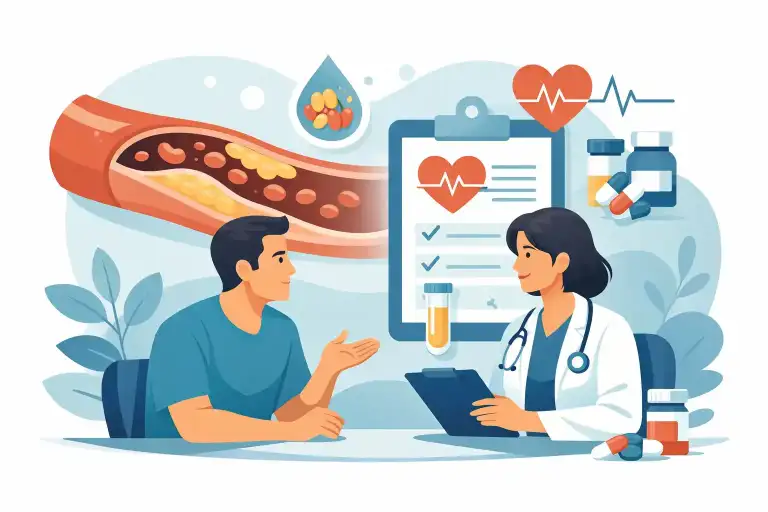
A cholesterol result can feel alarming, especially when you feel perfectly well. High cholesterol usually causes no symptoms, but it can quietly contribute to plaque buildup in the arteries over many years. Knowing how to manage high cholesterol starts with looking beyond one number and building a plan that fits your health, family history, daily routine, and long-term goals.
A primary care visit is a practical place to begin. Your clinician can review your full lipid panel, check for related conditions, discuss whether medication is appropriate, and help you make changes that are realistic enough to maintain.
Understand What Your Cholesterol Numbers Mean
“High cholesterol” is a general term, not a complete diagnosis. A standard lipid panel commonly measures LDL cholesterol, HDL cholesterol, triglycerides, and total cholesterol. LDL is often called “bad” cholesterol because higher levels can contribute to fatty deposits in blood vessels. HDL is sometimes called “good” cholesterol because it helps carry cholesterol away from the arteries. Triglycerides are another type of blood fat that may rise with excess sugar, alcohol, uncontrolled diabetes, certain medications, or genetics.
The LDL goal is not the same for everyone. A person with diabetes, high blood pressure, kidney disease, a history of stroke, or known heart disease may need a lower LDL level than someone without those risks. Age, smoking, family history of early heart disease, and cholesterol levels over time also matter.
This is why treating a lab result without considering the whole person can miss the point. Your doctor may calculate your overall cardiovascular risk before recommending lifestyle changes alone, medication, or both.
Ask About Causes That Can Be Treated
Cholesterol is partly influenced by food choices and activity, but it is not simply a matter of willpower. Genetics can play a major role. Some people inherit very high LDL levels even when they eat well and exercise regularly. This is sometimes called familial hypercholesterolemia.
Other health concerns can affect cholesterol as well. Underactive thyroid, diabetes, kidney disease, liver conditions, menopause, and some medications may change lipid levels. A thoughtful evaluation can identify factors that deserve attention instead of assuming every elevated result has the same cause.
How to Manage High Cholesterol Through Food Choices
Nutrition changes work best when they are specific and sustainable. You do not need to eliminate every food you enjoy or follow a short-term cleanse. The goal is to shift your usual pattern toward foods that support heart health while still working for your family, budget, culture, and schedule.
Start by reducing saturated fat, which is commonly found in fatty cuts of beef or pork, processed meats, butter, full-fat dairy, fried foods, and many packaged baked goods. Saturated fat can raise LDL cholesterol in many people. Replacing it with unsaturated fats can help. Good options include olive or canola oil, avocado, nuts, seeds, and fatty fish such as salmon.
Fiber is another useful tool. Soluble fiber helps reduce cholesterol absorption in the digestive system. Oatmeal, beans, lentils, apples, citrus fruit, barley, and vegetables are practical choices. If you are not used to eating much fiber, increase it gradually and drink enough water to avoid bloating or discomfort.
For busy Houston families, simple swaps often matter more than perfect meals. Choose grilled chicken or fish more often than fried options, add beans to soups or tacos, keep fruit available for snacks, and use water or unsweetened drinks instead of soda most days. If takeout is part of your week, you can still choose a lean protein, vegetables, and a smaller portion of creamy sauces or fried sides.
Triglycerides may respond especially well to cutting back on sugary beverages, desserts, refined carbohydrates, and excess alcohol. The right approach depends on your lab results. Someone with high LDL may need a different focus than someone whose triglycerides are the main concern.
Build Movement Into a Routine You Can Keep
Regular physical activity can improve heart health, help manage weight, lower triglycerides, and raise HDL cholesterol for some people. It also supports blood pressure, blood sugar, sleep, stress management, and mood.
A common goal is at least 150 minutes of moderate activity each week, such as brisk walking, cycling, water aerobics, or dancing. That can be broken into manageable sessions. A 20- to 30-minute walk on most days is meaningful, and short walks after meals are a good starting point for many people.
Add strength training when you can. Building and maintaining muscle supports healthy metabolism and makes everyday activities easier. If you have chest pain, severe shortness of breath, dizziness, a recent injury, or a heart condition, ask your clinician which activities are safe before starting a new exercise routine.
Address Weight, Sleep, Tobacco, and Stress Without Blame
If weight loss is recommended, even modest changes can improve cholesterol, blood sugar, and blood pressure. But weight is only one part of the picture. People at many body sizes can have high cholesterol, especially when genetics are involved. A plan should focus on health behaviors and measurable risk reduction, not shame.
Poor sleep and untreated sleep apnea can make it harder to manage appetite, blood pressure, blood sugar, and energy for exercise. Tobacco use damages blood vessels and greatly increases cardiovascular risk alongside high cholesterol. Quitting smoking is one of the strongest steps you can take for your heart, and support is available.
Stress does not directly explain every high cholesterol result, but chronic stress can influence eating, sleep, activity, and tobacco or alcohol use. Small routines such as regular bedtime hours, a daily walk, counseling, prayer or meditation, and time with supportive people can be part of a whole-person plan.
When Cholesterol Medication Makes Sense
Lifestyle changes are valuable whether or not you take medication. Still, healthy habits do not always lower LDL enough to reach a safer range. Medication may be recommended if your LDL is very high, you have diabetes, you already have cardiovascular disease, or your calculated risk of heart attack or stroke is elevated.
Statins are the most commonly prescribed cholesterol-lowering medicines. They lower LDL and have strong evidence for reducing heart attack and stroke risk in appropriate patients. Other options are available when statins do not lower cholesterol enough or are not well tolerated.
Do not stop a cholesterol medicine on your own because of a symptom or something you read online. Muscle aches and other side effects deserve a real conversation, but the answer may be a dose adjustment, a different statin, a different medication, or evaluation for another cause. Your care team can help weigh the benefits and possible risks based on your individual situation.
Follow Up and Track the Trend
One improved meal or one week of workouts will not transform a lipid panel overnight. Cholesterol management is measured over months and years. Your clinician may repeat labs after lifestyle changes or after starting or adjusting medication to see whether the plan is working.
Keep a simple record of your medications, blood pressure readings if you check them at home, activity habits, and questions for your next visit. Let your doctor know about new supplements, pregnancy plans, major diet changes, or barriers such as medication cost. Affordable choices and insurance coverage can affect what plan is workable, and those details should be part of the conversation.
Houston Family Physicians PA provides ongoing primary care, laboratory testing, chronic disease management, and referral coordination so patients can address cholesterol alongside blood pressure, diabetes, weight concerns, and other health needs in one connected care plan.
High cholesterol is often manageable, but it deserves consistent attention before it becomes an emergency. Bring your lab results and your real-life questions to your next primary care visit. A plan you can follow on an ordinary Tuesday is the one most likely to protect your heart for years to come.