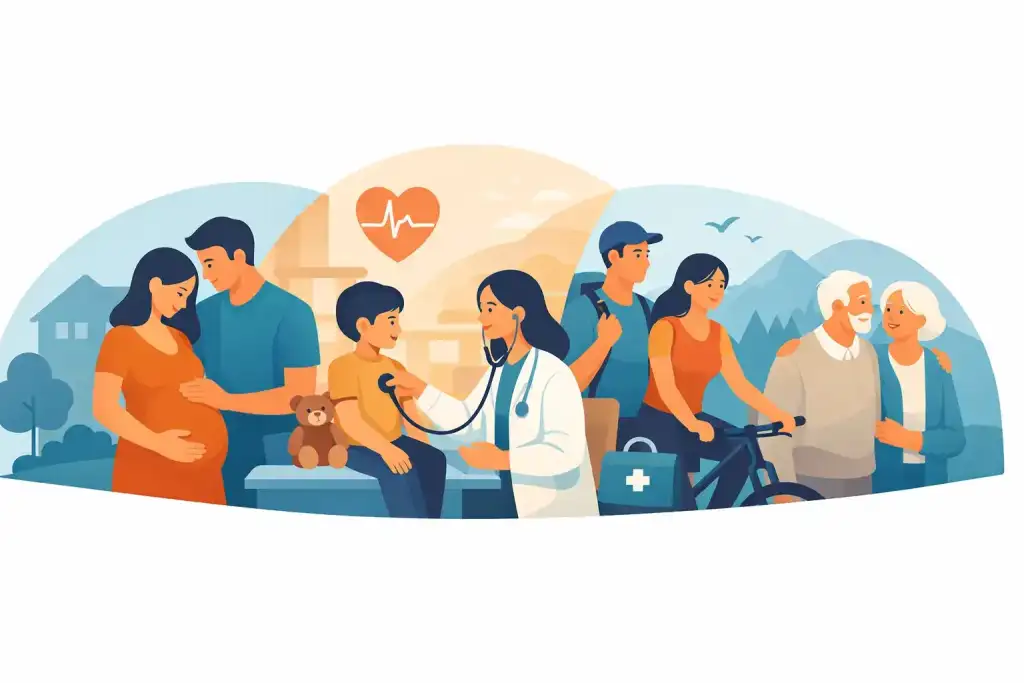
A child’s school physical, a parent’s blood pressure follow-up, a grandparent’s medication review, and a worker’s DOT exam may look like separate needs. Family medicine brings them into one trusted place, with care that considers the person behind the appointment. For Houston families balancing busy schedules, changing health needs, and questions that cannot always wait, having a physician who knows your history can make healthcare feel more manageable.
What Family Medicine Means for Your Family
Family medicine is primary care designed to serve people across the lifespan. A family physician can care for children, adults, and older adults while helping each patient make decisions based on their age, lifestyle, medical history, and goals. The focus is not limited to treating a problem once it appears. It includes prevention, early detection, chronic condition management, and guidance when specialist care is needed.
This continuity matters. A doctor who has seen your health change over time may recognize a concerning pattern sooner, understand which treatments have or have not worked, and explain options in the context of your daily life. For parents, it can mean fewer disconnected records and fewer explanations repeated at every visit. For adults and seniors, it can mean a consistent partner in managing medications, screenings, and long-term conditions.
Family medicine does not replace every specialist. It helps you know when a specialist is the right next step and coordinates that care so important details are less likely to get lost between offices.
Care That Starts Before You Feel Sick
Many of the most valuable appointments happen when nothing feels urgent. Annual checkups give your physician a chance to review your health history, discuss changes in sleep, stress, energy, diet, or activity, update vaccines when appropriate, and recommend screenings based on your age and risks.
Preventive care is personal. One patient may need help staying current on Pap smears or sexually transmitted disease testing. Another may need cancer screening, cholesterol testing, a skin concern evaluated, or a conversation about weight changes. Someone with a family history of diabetes or heart disease may benefit from earlier monitoring than a friend of the same age.
The goal is not to order every test for every patient. Good primary care weighs the benefit of a test against its limits, your personal risk factors, and what the results would change. That thoughtful approach helps avoid both missed opportunities and unnecessary worry.
Annual visits are a chance to ask the questions you have postponed
It is easy to put off a concern because it seems minor: headaches that come and go, fatigue, heartburn, a changing mole, low mood, trouble sleeping, or pain after exercise. An annual visit creates space to raise those concerns before they become more disruptive.
Bring a current medication list, including vitamins and supplements, and be ready to share changes in your health since the last visit. If you track blood pressure, blood sugar, sleep, or symptoms at home, those details can help your physician see the fuller picture.
Managing Chronic Conditions With a Clear Plan
Conditions such as high blood pressure, diabetes, high cholesterol, asthma, thyroid disease, arthritis, and heart concerns require more than an occasional refill. They often call for regular monitoring, lab work, practical lifestyle support, and treatment adjustments that fit the patient’s reality.
A chronic care plan should be clear enough to follow after you leave the office. You should understand what each medication is for, what side effects deserve a call, when testing is due, and what symptoms require faster attention. If cost, transportation, work hours, or side effects make a plan difficult, say so. The best plan is not simply the one that looks ideal on paper. It is one you can realistically maintain.
Family physicians also look for connections between conditions. Poor sleep can affect blood pressure and mood. Weight changes may relate to medication, stress, hormone concerns, or activity limitations. Anxiety can make physical symptoms feel worse, while untreated pain can affect mental health. Addressing these concerns together is part of whole-person care.
Mental health belongs in primary care, too
Depression, anxiety, stress, insomnia, and attention concerns can affect work, school, relationships, and physical health. Patients should not have to wait until they are in crisis to discuss them. A primary care visit can be a respectful starting point for screening, treatment options, medication management when appropriate, and referrals for counseling or specialty support.
If you or someone you love is experiencing thoughts of self-harm, a mental health emergency, chest pain, severe trouble breathing, signs of stroke, or another life-threatening symptom, call 911 or seek emergency care right away. Routine family medicine visits are valuable, but emergencies need emergency-level care.
Convenience Matters When Care Is Ongoing
Healthcare is easier to use when it fits into real life. A practice that can address routine visits, same-day concerns, physicals, lab testing, imaging coordination, and referrals reduces the burden of navigating multiple unrelated offices. For a parent, that may mean scheduling a school physical without missing several days of work. For an employee, it may mean completing a pre-employment or DOT exam with less disruption. For a senior, it may mean having a reliable team that can help coordinate follow-up after an abnormal test result.
Access is more than appointment availability. It includes clear communication, insurance options, understandable instructions, and a staff that takes concerns seriously. Many Houston patients also value the ability to request appointments by text and find extended office hours when a traditional weekday schedule is not practical.
At Houston Family Physicians PA, the aim is to provide that kind of accessible, compassionate care across a wide range of needs – from checkups and chronic disease visits to diagnostic services, sports medicine concerns, sexual health questions, and coordinated specialty referrals.
When to See a Family Physician
You do not need to wait for a major illness to establish care. Family medicine is a strong fit when you need a regular checkup, help with a new non-emergency symptom, medication refills and review, ongoing care for a chronic condition, a work or school physical, or guidance on which specialist to see.
It is also the right place to begin when you are unsure what is wrong. Symptoms do not arrive with labels. Persistent fatigue could have many causes. Knee pain may need activity changes, imaging, physical therapy, sports medicine input, or a different approach depending on the injury and examination. A primary care evaluation helps sort through the possibilities and determine an appropriate next step.
There are times when urgent care or emergency care is more appropriate. Severe symptoms, rapidly worsening illness, major injuries, uncontrolled bleeding, or signs of a heart attack or stroke should not wait for a routine office appointment. Choosing the right setting protects both your health and your time.
How to Build a Better Relationship With Your Doctor
A useful patient-doctor relationship is a two-way conversation. Be honest about symptoms, medications, alcohol or tobacco use, stress, and challenges following a care plan. Your physician is there to help, not to judge. The more complete the information, the more personalized the guidance can be.
Before a visit, write down your top concerns. If there are several, start with the one affecting your life most. Ask what the likely cause may be, what warning signs to watch for, what happens next if the first treatment does not help, and when you should follow up. If instructions are unclear, ask for them in plain language.
Long-term care works best when patients feel heard and know where to turn. Whether your next need is a preventive exam, support for a chronic condition, or answers about a new concern, making the appointment is a practical step toward feeling more informed and cared for.