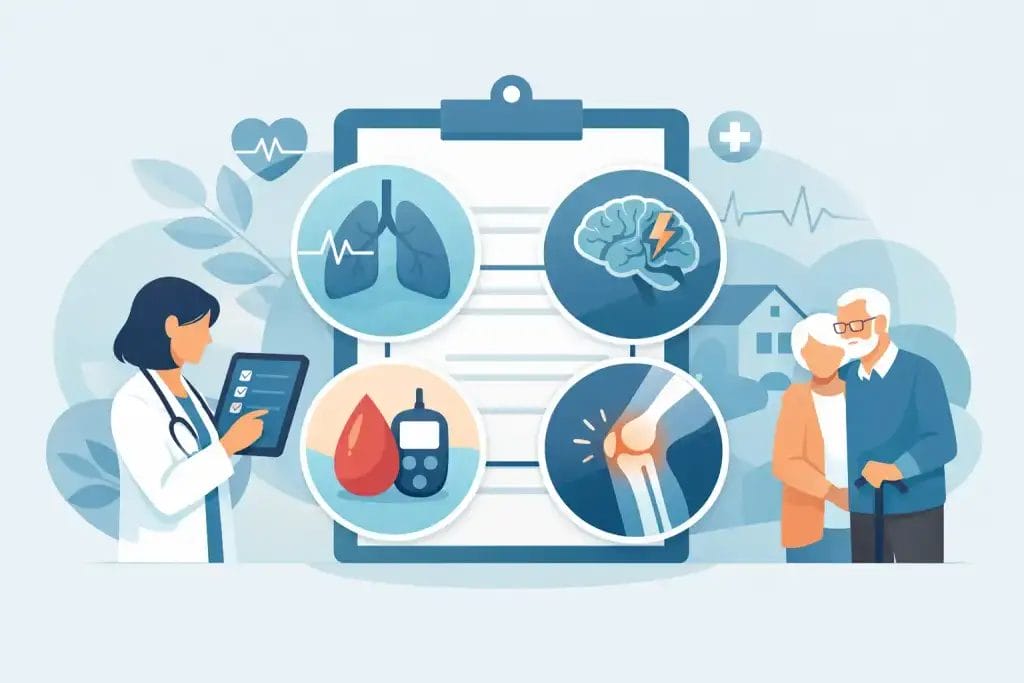
Missing work because your blood pressure spiked again, running out of diabetes medication, or trying to manage asthma flare-ups between school drop-off and a full workday can wear anyone down. Chronic condition management is not just about treating numbers on a chart. It is about helping real people stay functional, informed, and supported so health problems do not keep taking over daily life.
For many patients, the hardest part is not getting a diagnosis. It is living with that diagnosis week after week, year after year. Conditions like high blood pressure, diabetes, high cholesterol, asthma, thyroid disease, arthritis, depression, and heart disease often need steady follow-up, medication review, lifestyle adjustments, and quick attention when symptoms change. That kind of care works best when it is personal, consistent, and easy to access.
What chronic condition management really means
At its core, chronic condition management means having a plan for long-term health issues instead of reacting only when something goes wrong. Good care looks at your symptoms, lab results, medications, habits, stress level, and risk factors together. It also considers the practical side of healthcare, like whether you can get to appointments, afford treatment, and understand what the plan is supposed to be.
That matters because chronic illness rarely affects just one part of life. A patient with diabetes may also be dealing with high blood pressure, weight changes, poor sleep, or depression. A parent with asthma may delay care because family responsibilities come first. An older adult may be juggling several prescriptions from different doctors and feeling unsure about which changes are most important. When care is fragmented, small problems can turn into emergency room visits, hospital stays, or long stretches of feeling unwell.
Primary care helps bring those moving parts together. Instead of treating each issue in isolation, your doctor can track patterns over time, adjust treatment when needed, and coordinate referrals or testing when a condition becomes more complex.
Why primary care matters in chronic condition management
A strong primary care relationship often makes the biggest difference in long-term outcomes. That is because chronic illnesses are rarely managed well through one-off urgent care visits or occasional specialist appointments alone. Patients usually do better when they have a physician who knows their history, understands their baseline, and can spot changes early.
That continuity matters in simple but meaningful ways. If your blood sugar readings have been creeping up for three months, your doctor can see the trend before it becomes a crisis. If a medication is causing side effects, there is someone who can help adjust the dose or choose a better option. If stress, anxiety, or poor sleep is making a physical condition harder to control, that can be addressed as part of the same conversation instead of being ignored.
For families, convenience matters too. When one practice can handle preventive visits, chronic disease follow-up, lab work, imaging, medication management, and referrals, the process feels less overwhelming. Patients are more likely to come in, ask questions, and stick with the plan when care is accessible.
Common conditions that need ongoing management
Many people hear the phrase chronic disease and think only of diabetes or heart disease. In reality, chronic condition management includes a wide range of ongoing health concerns. High blood pressure, high cholesterol, asthma, COPD, thyroid disorders, obesity, depression, anxiety, arthritis, sleep-related problems, and gastrointestinal issues often require regular monitoring and treatment changes over time.
Some conditions are stable for long periods and only need routine check-ins. Others can shift quickly based on age, stress, infection, lifestyle, work demands, or medication changes. That is one reason cookie-cutter care rarely works. Two patients can have the same diagnosis and need very different management strategies.
A retired senior on Medicare may need extra medication review and close monitoring for interactions. A younger adult with prediabetes may need a realistic plan built around shift work and family meals. A student athlete with asthma may need symptom control that keeps up with practice and competition. Good care starts with the condition, but it should never stop there.
What effective long-term care looks like
Effective management is not about perfection. It is about staying engaged, catching issues early, and making adjustments before things spiral. In practice, that usually includes regular office visits, blood pressure and weight tracking, lab testing, medication checks, and conversations about symptoms, diet, activity, sleep, and mental health.
It also means setting goals that are realistic. If a patient is trying to manage diabetes, the right next step may be improving medication consistency and checking blood sugar more reliably, not overhauling every habit in one week. If someone has hypertension, lowering sodium intake and finding a medication schedule they can actually maintain may matter more than a complicated plan they will abandon after a few days.
There are trade-offs in every treatment plan. Some medications work well but can cause fatigue, stomach upset, or cost concerns. Some lifestyle changes are medically ideal but hard to sustain with a demanding job or limited transportation. A good physician does not ignore those realities. They help patients make informed decisions that balance clinical goals with real life.
The role of monitoring and follow-up
One of the most overlooked parts of chronic condition management is follow-up. Patients often leave an appointment with a prescription or a recommendation, but without ongoing review, it is hard to know what is working. Symptoms may improve, stay the same, or quietly get worse.
Follow-up visits give your doctor a chance to check whether treatment is doing what it should. Are blood pressure readings improving? Is cholesterol responding to medication? Are inhalers being used correctly? Has fatigue eased after a thyroid adjustment? These questions matter because treatment plans should evolve as your health changes.
Follow-up also creates accountability in a supportive way. Patients are more likely to stay consistent when they know someone is tracking progress, answering questions, and helping them problem-solve. That does not mean every visit has to be complicated. Sometimes the most valuable appointment is the one that confirms you are stable and helps you stay that way.
When chronic conditions overlap with mental health
Long-term physical illness and mental health often affect each other more than patients expect. Chronic pain can lead to low mood. Anxiety can worsen heart palpitations or blood pressure. Depression can make it harder to take medications, prepare healthy meals, or keep appointments. If this piece is overlooked, treatment may stall even when the diagnosis and prescriptions are technically correct.
That is why whole-person care matters. A patient-centered approach asks not only what your lab results show, but also how you are coping. Are you sleeping? Are you overwhelmed? Are you avoiding care because the process feels frustrating or expensive? Those answers can shape the treatment plan just as much as a number on a test result.
How access changes outcomes
Even the best care plan does not help much if it is hard to use. Long waits, limited appointment availability, and having to travel between multiple locations can make ongoing treatment harder than it needs to be. Patients with chronic conditions usually need more touchpoints, not fewer.
That is where accessible primary care becomes especially valuable. When a practice offers broad outpatient services, convenient scheduling, and a clear path to diagnostics or referrals, patients can address problems sooner. A medication side effect can be reviewed before it leads to noncompliance. Shortness of breath can be evaluated before it becomes an emergency. Abnormal lab work can be explained before confusion turns into delay.
For Houston-area patients and families, that practical support matters as much as medical expertise. Houston Family Physicians PA is built around that kind of accessible, relationship-based care, with services that help patients manage health concerns in one trusted setting instead of chasing answers across multiple offices.
What patients can do between visits
The goal is not to become your own doctor. It is to stay engaged enough that office visits are more productive. Keeping a current medication list, bringing home blood pressure or glucose readings, noticing symptom patterns, and asking questions when something changes can all improve care.
It also helps to be honest about what is getting in the way. If you cannot afford a medication, if a diet plan feels unrealistic, or if side effects are making you skip doses, say so. Good chronic condition management depends on accurate information. Your doctor can usually help more when they know the full picture.
Consistency beats intensity in long-term care. Small steps kept up over time often do more than dramatic efforts that fade quickly.
Living with a chronic condition can be frustrating, but it should not mean navigating your health alone. The right medical home gives you a place to be heard, monitored, and treated with a plan that makes sense for your life.